

7 Mistakes First-Time Poker Hosts Make (and the Easy Fixes)
By All In Central ·
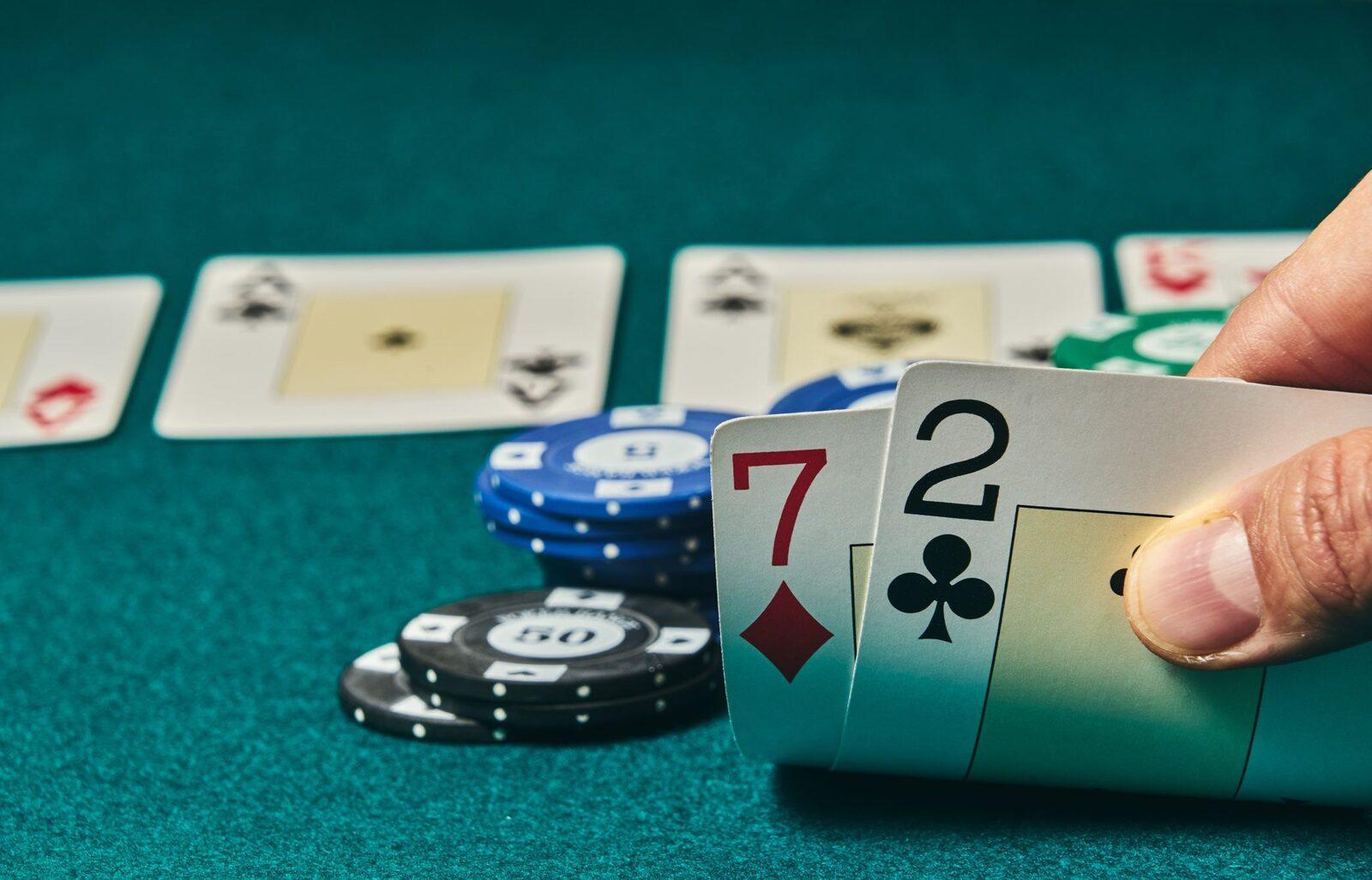
Most first poker nights go wrong in the same seven ways: blinds that rise too fast, no rebuy rule agreed up front, too few small chips, payouts left undecided until the end, no breaks, a tournament clock running on somebody's phone, and no agreed finish time. None of these takes more than a few minutes to fix before your guests arrive — but any one of them can quietly wreck the evening if you leave it to chance.
I know this because I have made every single one of them. My first tournament as host was finished before ten o'clock, with two players mildly annoyed about the money, one convinced the blinds were wrong (he was right), and me privately vowing to do the whole thing properly next time. This is the list I wish someone had handed me before that night.
Here are the seven mistakes in roughly the order they will bite you — what happens, the easy fix, and the tool on this site that handles it for you.
1. Blinds that double every level
Doubling the blinds feels natural. 25/50, then 50/100, then 100/200 — tidy numbers, easy to remember. It is also brutal. If everyone starts with 5,000 chips, the big blind is 800 by level five and the average stack is worth a handful of big blinds. At that point nobody is playing poker any more; it is a shoving contest, and the tournament that was supposed to fill the evening is over by half past nine.
The fix is to raise the blinds by roughly 1.3 to 1.5 times per level instead. So 50/100 becomes 75/150, then 100/200, then 150/300 — a steady climb rather than a cliff edge. Start everyone about 100 big blinds deep and the early levels contain actual poker, with room to see a flop without betting the mortgage. The blind structure calculator builds the whole schedule for you from your player count and how long you want the game to last, so you never have to invent numbers on the spot.
2. No rebuy rule agreed before the game
Someone will bust out forty minutes in. They will want back in. If nothing was agreed beforehand, you are now negotiating money rules live, in front of everyone, with one interested party staring at you hopefully. Whatever you decide will feel improvised, because it is — and when the next player busts an hour later, they will expect exactly the same deal at a point where it makes far less sense.
The fix takes one sentence before the cards go in the air: freezeout, or rebuys allowed until the first break, at the same price as the buy-in. Say it out loud while you are collecting the money, so everyone hears the same thing at the same time. My own preference is rebuys until the first break and then a hard stop — generous enough to soften an early cooler, firm enough that the prize pool is settled by mid-evening. The home poker tournament guide has a short pre-game checklist that covers this and the other things worth announcing up front.
3. Not enough small chips
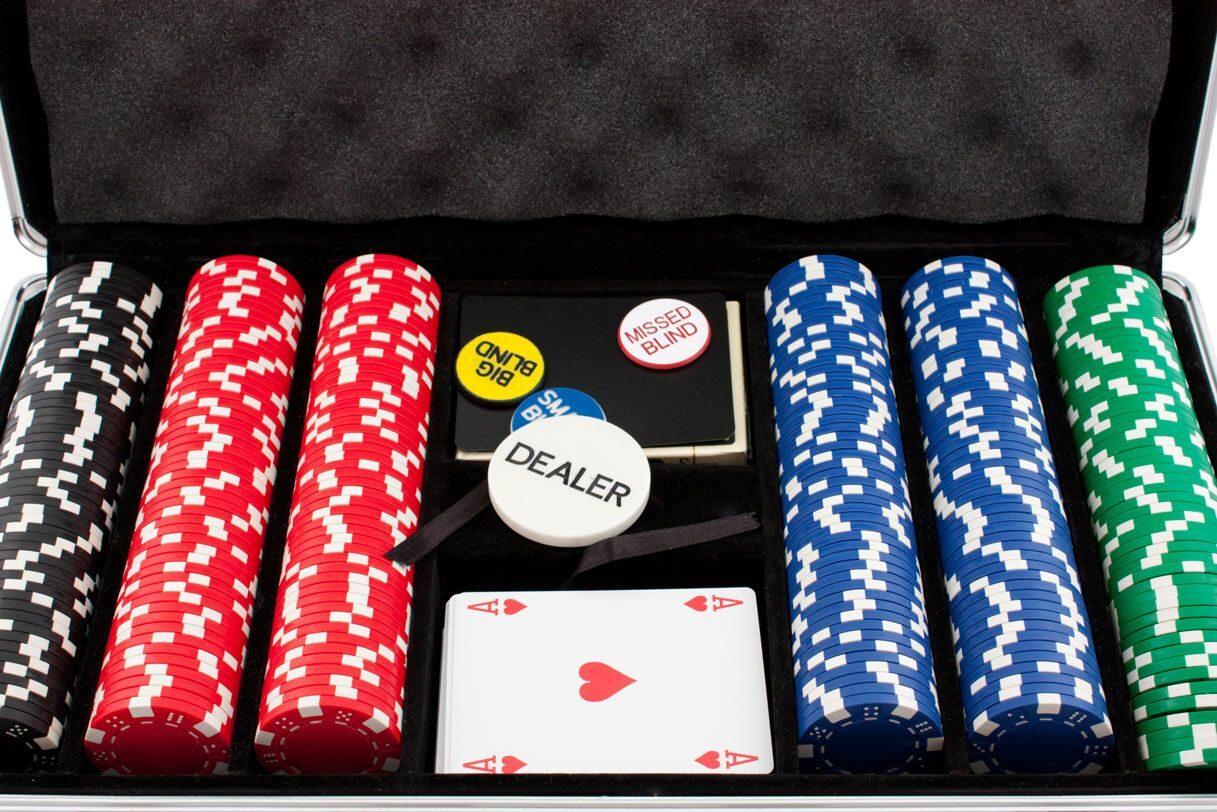
The classic version of this: you have lovely tall towers of 500s and 1,000s, and about six small chips per player. Two levels in, nobody can post the small blind without asking the table for change, every pot needs arithmetic before it can be pushed to the winner, and one poor soul gets appointed banker for the night. Play slows to a crawl precisely when it should be flowing.
Two rules sort it. First, your smallest chip should equal the small blind of the first level — if you start at 25/50, the 25 chip is the smallest you need, and any 5s can stay in the case. Second, give each player roughly 50 to 80 chips, weighted towards the lower denominations, because those are the ones that actually move. The chip distribution calculator works all of this out from your chip set and your player count.
4. Leaving the payouts until the end
This one causes more genuine friction than any bad beat. The tournament reaches heads-up around midnight, and only then does anyone ask whether second place gets anything. The two people best placed to answer are the two people with the most riding on the answer, they are both tired, and one of them is about to lose. I have watched a perfectly cheerful evening go slightly frosty in under a minute this way.
The fix: agree the payout split when you collect the buy-ins, not a moment later. Winner-takes-all is fine for five friends; something like 50/30/20 suits a bigger table and keeps more people interested late into the night. The payout calculator suggests sensible splits for any group size, and once the money side is settled early, the end of the night is just poker.
5. No breaks
Nobody plans a pause, so pauses happen anyway — one player at the fridge, one outside, one vanished to the loo, and the game limping along short-handed while everyone else waits. Meanwhile the host has not eaten since the shuffle and is somehow also expected to referee. Three hours of that and the mood sags, no matter how good the cards are.
Schedule a short break every five levels or so, and build it into the structure rather than declaring it on a whim. That way the clock announces it, everyone refills and stretches at the same time, and the game restarts together. Breaks are also the natural moment for admin: coloring up small chips that are no longer needed, and closing the rebuy window you agreed under mistake number two.

6. Running the clock off a phone that keeps locking
The default at most first games: someone sets a timer on their phone and leaves it face-up on the table. The screen locks. It dims to save battery. A message arrives and covers the display. At some point the owner wanders off to check the football score with the entire tournament in their pocket. Nobody is quite sure when the level changed, and now the blinds themselves are a matter of debate.
The fix is a dedicated screen everyone can see — a laptop at the end of the table or, better still, the TV. A proper tournament clock shows the current blinds, the time left in the level, the average stack and the players remaining, and a fullscreen mode keeps the display awake for the whole night. If you are weighing up options, I have written about what actually matters in a poker timer; the short version is that it should need no sign-up and no fiddling once the cards are in the air.
7. Not agreeing the finish time
Everyone arrives with a different assumption about how long the night runs. Then it is eleven o'clock, two players need to leave, the stacks are still deep, and you face a choice between an awkward chop and cranking the blinds until the game becomes a coin flip. Either way the ending feels wrong, and the ending is the part people remember.
Decide the finish time when you send the invite, then pick a structure that matches it. As a rule of thumb: turbo levels of about 15 minutes finish in two to three hours, standard 20-minute levels run four to five, and a deep stack structure wants six hours or more. Work backwards from when people genuinely need to be out of the door, and be honest with yourself — a "quick game" with 20-minute levels is not a quick game.
Let the timer do the worrying
Looking back at the list, every mistake has the same shape: a decision made under pressure mid-game goes badly, while the same decision made calmly in advance is no trouble at all. The good news is that most of them can simply be delegated. The free poker timer runs in the browser with no sign-up, handles blind levels with antes and scheduled breaks, works out prize-pool payouts for one to fifty places automatically, and shows the average stack and players left as the game goes on. There is a fullscreen big-screen mode that keeps the TV awake, saved setups so your favorite structure is one click away next month, and a random seat draw — you can even paste your whole guest list in at once.
Set it up in the afternoon, plug in the telly, and the evening largely runs itself. The only mistake left is calling a river bet with jack-high because it felt sporting. No timer can help you with that.
Related reading
 How to Keep Your Poker Night on Schedule9 July 2026
 How to Split the Prize Pool: Home Poker Payout Structures1 October 2026
 Cash Game vs Tournament: Home Poker1 September 2026